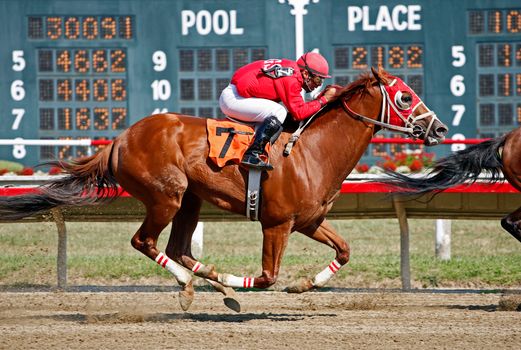
Betting on sports matches is more popular than ever, with the global sports betting market valued at over $83 billion in 2023. Whether you’re a fan of football, basketball, tennis, or esports, the thrill of predicting match outcomes and potentially winning money draws millions of enthusiasts worldwide. But before you place your very first sports bet, it’s crucial to understand the basics—how odds work, what types of bets are available, and the key principles that separate smart bettors from those who rely on pure luck.
This article explores the fundamental elements of sports betting. We’ll break down core concepts, compare popular bet types, highlight common pitfalls, and walk you through the practical steps to get started safely. Whether you’re betting for fun or aiming for profit, these basics will prepare you for a more informed, enjoyable experience.
Understanding Sports Betting Odds: The Foundation of Every Bet
Odds are the language of sports betting—they tell you how much you can win and how likely an outcome is, according to the bookmaker. There are three main formats used around the world:
.png) 1. $1 Expressed as a decimal (e.g., 2.50). Your payout is your stake multiplied by the odds.
2. $1 Written as fractions (e.g., 3/1, spoken as "three to one"). The first number is how much you win, the second is your stake.
3. $1 Positive (+200) shows potential profit on a $100 bet; negative (-150) shows how much you need to bet to win $100.
1. $1 Expressed as a decimal (e.g., 2.50). Your payout is your stake multiplied by the odds.
2. $1 Written as fractions (e.g., 3/1, spoken as "three to one"). The first number is how much you win, the second is your stake.
3. $1 Positive (+200) shows potential profit on a $100 bet; negative (-150) shows how much you need to bet to win $100.
Here’s a quick comparison:
| Format | Example | If You Bet $10 | Potential Profit | Total Return |
|---|---|---|---|---|
| Decimal | 2.50 | $10 | $15 | $25 |
| Fractional | 3/1 | $10 | $30 | $40 |
| Moneyline | +200 | $10 | $20 | $30 |
Understanding odds helps you compare potential returns and spot value bets—where the bookmaker’s estimation differs from your own.
Main Types of Sports Bets: From Simple to Sophisticated
Before you place your first bet, it’s important to know the most common betting options. Each type offers different levels of complexity and risk. Here are the basics:
1. $1 The simplest option—just pick which team or player you think will win. For example, betting on Manchester United to beat Liverpool. 2. $1 The bookmaker gives one team a points advantage or disadvantage to even the playing field. For example, a basketball team might be “-6.5 points”—they need to win by 7 or more for your bet to succeed. 3. $1 Bet on whether the total combined score will be over or under a set number. Popular in football, basketball, and baseball. 4. $1 Combine multiple bets into one. Each selection must win for you to collect, but the payouts are much higher. For instance, betting on three football matches to all end in draws. 5. $1 Bets on specific events within a match, like which player will score first, or how many yellow cards there will be.For beginners, starting with moneyline or over/under bets is generally recommended. These are straightforward and easier to follow as you learn.
How Bookmakers Set Odds and Why the House Always Wins
Bookmakers are not just guessing—they use sophisticated statistical models, team/player statistics, injury reports, weather conditions, and even public sentiment to set odds. Their goal isn’t just to predict outcomes, but to ensure a profit regardless of which team wins. This is achieved through the “overround” or “vig,” a built-in margin.
For example, if a fair coin toss should pay even money (1:1), a bookmaker might offer odds of 1.90 instead of 2.00, ensuring they profit over many bets. According to industry data, the average bookmaker margin is around 5-8% per bet.
This means that, over the long term, casual bettors are statistically more likely to lose than win. Understanding this built-in edge is crucial—it encourages responsible betting and helps you spot value when odds seem overly generous.
Key Factors to Evaluate Before Placing Your First Sports Bet
Making informed bets is about more than gut feeling or team loyalty. Here are some critical factors to consider:
- $1 Recent performance, home/away records, and key injuries can greatly impact outcomes. For example, a football team missing its top scorer is far less likely to win. - $1 Some teams or players consistently outperform others due to style, tactics, or psychological edge. - $1 Rain, wind, or altitude can influence sports like football, tennis, or golf. For instance, rugby teams from the Southern Hemisphere often struggle in cold European conditions. - $1 Teams fighting for promotion, avoiding relegation, or chasing a record often perform differently than those with nothing to play for. - $1 Odds often shift as bets come in. Heavy public support for one side can create value on the other; monitoring these changes can reveal useful clues.Smart bettors look for “value” bets—where the likelihood of an outcome is better than the odds suggest. For example, if a tennis underdog has a recent winning streak but is still priced as a big outsider, there could be value in backing them.
Understanding Betting Limits, Bankroll Management, and Responsible Play
One of the most overlooked basics is bankroll management—deciding how much to bet and when to walk away. According to the UK Gambling Commission, 55% of regular bettors set a spending limit, but only 28% stick to it consistently.
Tips for responsible betting:
- $1 Only bet what you can afford to lose. Many experts suggest limiting bets to 1-2% of your total bankroll per wager. - $1 Keep a record of wins, losses, and types of bets. This helps you identify what works and avoid chasing losses. - $1 Don’t bet on your favorite team “just because” or try to recover losses with impulsive wagers. - $1 Regular pauses prevent frustration and keep betting enjoyable.Most reputable sportsbooks offer deposit limits, self-exclusion tools, and responsible gambling resources. Use them if you ever feel your betting is getting out of control.
Practical Steps: How to Place Your First Sports Bet Online
The rise of online sportsbooks has made it easy for beginners to get started, but there are a few important steps to follow:
1. $1 Check for licenses from regulators like the UK Gambling Commission, Malta Gaming Authority, or state authorities in the US. 2. $1 You’ll need to provide identification to comply with anti-money-laundering laws. 3. $1 Most sites accept credit/debit cards, PayPal, bank transfer, or even cryptocurrencies. 4. $1 Use the search or navigation to locate your sport, league, and match. 5. $1 Click on the odds, enter your stake, and review the potential payout. 6. $1 Double-check all details before hitting “Place Bet.” 7. $1 Many sites offer live tracking, cash-out options, and instant result updates.Remember, bonuses and free bets are common for new customers—read the terms to understand any wagering requirements before you use them.
Final Checklist: What Every Beginner Should Know About Sports Betting
Starting your journey in sports betting can be both exciting and daunting. Here’s a quick checklist to recap the most important basics:
- Understand how odds work and what they mean for your potential payout. - Start with simple bet types like moneyline or totals before exploring more complex options. - Remember that bookmakers always have a margin—winning consistently requires skill, not luck. - Research matches thoroughly, focusing on statistics, injuries, motivation, and external factors. - Always bet responsibly: set limits, keep records, and never chase losses.With this foundation, you’ll be better equipped to enjoy sports betting as a fun, strategic pastime rather than a risky gamble.