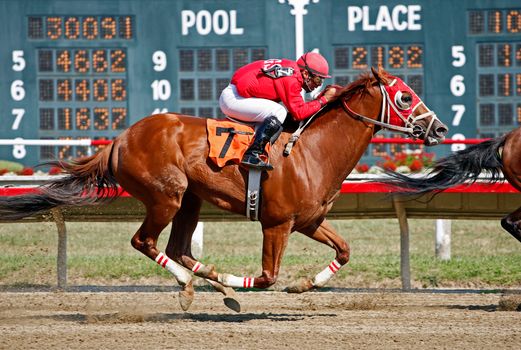
If you’ve ever caught yourself wondering how betting markets determine odds, or why those numbers on the screen seem to shift so frequently, you’re not alone. The world of betting markets is both fascinating and complex, blending mathematics, psychology, and even economics. Whether you’re a sports fan curious about the mechanics or a newcomer just starting to explore wagering, understanding the basics of betting markets is an essential first step. In this guide, we’ll demystify how betting markets work, explain the role of odds, liquidity, and market movement, and show you how these elements come together to shape the betting landscape.
The Core of Betting Markets: What Are They?
At its simplest, a betting market is a platform where people can place wagers on the outcome of an event. This could be anything from a sports match to political elections or even entertainment awards. Each potential outcome in a market is assigned odds, which represent the likelihood of that outcome happening according to the market's collective wisdom.
There are two primary types of betting markets:
1. $1: These are run by bookmakers who set the odds and accept bets. The bookmaker tries to balance the books to ensure profit regardless of the outcome. 2. $1: Here, bettors wager against each other rather than the house. The exchange simply matches bets and takes a commission from the winners.Betting markets work much like financial markets, where prices (in this case, odds) move in response to supply and demand. As more people bet on a certain outcome, the odds for that outcome typically decrease, reflecting its perceived increased likelihood.
.png)
A staggering $203 billion was wagered globally on sports in 2023, according to Statista, underscoring the massive scale and influence of betting markets worldwide.
How Odds Reflect Probability and Market Sentiment
Odds are at the heart of every betting market, determining both potential payouts and implied probabilities. They can be displayed in several formats:
- $1 (e.g., 2.50) - $1 (e.g., 3/2) - $1 (e.g., +150)Each format expresses the same underlying information: how much you stand to win versus what you stake, and the implied probability of an event.
For example, decimal odds of 2.00 imply a 50% chance of winning (since 1 divided by 2.00 equals 0.5, or 50%). Odds don’t just reflect raw probability, though—they’re also shaped by market sentiment and bookmaker margins. If a surge of bets comes in on one team, the bookmaker will lower the odds for that team, making bets on them less attractive and thus balancing the risk.
Below is a table comparing how different odds formats express the same probability:
| Implied Probability | Decimal Odds | Fractional Odds | American Odds |
|---|---|---|---|
| 50% | 2.00 | 1/1 (Evens) | +100 |
| 33.3% | 3.00 | 2/1 | +200 |
| 25% | 4.00 | 3/1 | +300 |
| 10% | 10.00 | 9/1 | +900 |
Understanding how odds translate to probability is crucial for making informed bets and recognizing value in the market.
Market Movement: Why Do Odds Change?
Odds are not static—they move in response to new information and betting activity. But what exactly causes these fluctuations?
1. $1: If large amounts of money are bet on one outcome, bookmakers adjust the odds to balance their risk, making that outcome less lucrative to new bettors. 2. $1: Player injuries, weather changes, or even rumors can dramatically shift market sentiment. For example, when a star player is ruled out before a major match, odds may shift by as much as 30% in minutes. 3. $1: Professional bettors (also known as "sharps") can influence markets with large, well-timed bets. Bookmakers often monitor sharp action and adjust odds accordingly. 4. $1: In highly liquid markets, odds quickly incorporate all available information, making them more accurate as event time approaches.During the 2022 FIFA World Cup, odds for certain matches shifted up to 40% in the hours before kickoff due to late-breaking injury news and heavy betting action, illustrating the dynamic nature of betting markets.
Liquidity and Market Depth: Why They Matter
Liquidity refers to how much money is available in a betting market—essentially, how easy it is to place a large bet without moving the odds. High-liquidity markets, like Premier League football games or the Super Bowl, can absorb large wagers with minimal odds changes. Low-liquidity markets, such as lower-tier leagues or niche sports, are more volatile and susceptible to manipulation.
Market depth is another important concept, representing the range of available bets at different odds levels. A deep market offers more stability and better pricing for bettors.
For example, the 2023 Super Bowl betting market handled over $16 billion in wagers, providing unmatched liquidity and stable odds compared to a regular-season baseball game, which might see only a fraction of that amount.
Types of Betting Markets: Fixed Odds vs. Exchanges
Let’s break down the two most common types of betting markets:
1. $1: The bookmaker sets and adjusts odds, taking bets directly from customers. The odds you see when you place your bet are what you get, regardless of any subsequent changes. Bookmakers build in a margin (typically 5-10%) to ensure profit. 2. $1: Here, you bet against other individuals, setting your own odds or accepting those offered by others. Exchanges charge a commission on winning bets (usually around 2-5%), but the odds are often more favorable due to increased competition and lower margins.Here’s a comparison table highlighting the main differences:
| Aspect | Fixed Odds (Bookmaker) | Betting Exchange |
|---|---|---|
| Who sets odds? | Bookmaker | Bettors |
| Odds fluctuation | Bookmaker controls adjustments | Driven by supply and demand |
| House margin | Typically 5-10% | Commission on winnings (2-5%) |
| Betting against | The bookmaker | Other bettors |
| Potential for better odds | Moderate | High |
Betting exchanges continue to grow in popularity, with Betfair (the largest exchange) handling over $100 million in daily matched bets during major events.
The Importance of Market Efficiency and Value
Market efficiency refers to how accurately betting odds reflect the true probability of an outcome. In highly efficient markets, it becomes difficult to find "value"—situations where the odds offered are better than the true chances of winning. However, inefficiencies do exist, especially in less popular sports or early betting markets before all information is available.
A 2019 study by the Journal of Gambling Studies found that major football betting markets were efficient more than 95% of the time, but inefficiencies were present in minor leagues and early lines. For beginners, learning to spot these inefficiencies can offer opportunities for profit.
The concept of "value betting" is central to this idea. If your assessment of an event’s probability is higher than what the implied odds suggest, you’ve found a value bet. For example, if you believe a team has a 60% chance of winning but the odds imply only a 50% chance, that’s a value opportunity.
Final Thoughts: Making Sense of Betting Markets as a Beginner
Betting markets are complex but incredibly rewarding to understand—especially if you’re planning to put your own money on the line. By grasping how odds reflect probability, why they change, and the differences between traditional bookmakers and exchanges, you set a solid foundation for smarter, more informed betting.
Remember, betting markets thrive on information, liquidity, and collective sentiment. As a beginner, start by observing how odds move in response to news and betting trends, and always be on the lookout for value rather than simply following the crowd. The more you understand the mechanics, the better your chances of making confident, well-judged wagers.