.png)
Casinos are more than just places of entertainment; they are intricate entities that skillfully balance game offerings, atmosphere, and guest services to maintain profitability and provide an immersive experience. This deep dive into how casinos work highlights the multifaceted nature of these establishments and the careful consideration behind each element of their operation.
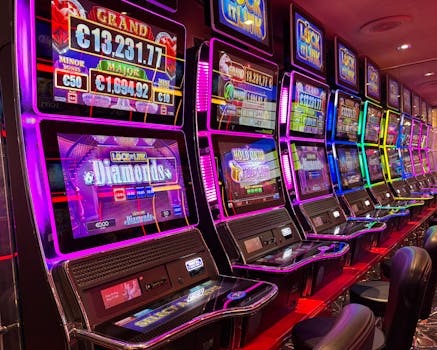
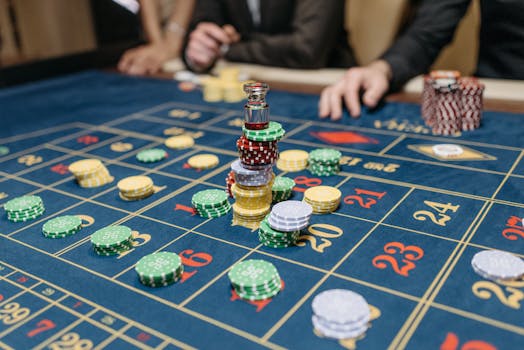
From the random outcomes of slot machines to the strategic intricacies of table games, casinos cater to a wide array of preferences while ensuring the house retains a favorable edge. The house edge is the cornerstone of a casino’s economic model, subtly integrated into each game to guarantee long-term profitability while still providing players with opportunities to win.
The casino atmosphere is another critical component, meticulously engineered to keep guests entertained and engaged for extended periods. The strategic absence of clocks and windows, along with sensory-stimulating designs, help create a captivating environment that encourages continuous play.
Security and regulation are also paramount, ensuring that everything from game fairness to guest safety is managed meticulously. The evolution of casinos into the digital realm with online platforms has further expanded the scope and reach of casino gaming, introducing new innovations and challenges in maintaining the excitement and integrity of the experience.
Understanding how casinos operate is not only fascinating from a player's perspective but also vital for anyone involved in the gaming and entertainment industry. Each element of a casino’s operation is designed to contribute to a seamless blend of risk, reward, and entertainment, making every visit memorable.