The Psychology of Gambling: Why We Bet
Gambling is a global phenomenon that transcends cultures, languages, and borders. From the glitzy casinos of Las Vegas to online betting platforms accessed from smartphones, millions of people wager money every day. According to the American Gaming Association, the legal gambling industry in the United States alone generated $60.4 billion in revenue in 2022. But what drives this widespread urge to gamble? Is it just the hope of winning big, or is there something deeper at play? The answers lie in the fascinating intersection of psychology, biology, and society. In this article, we’ll delve into the psychological forces that fuel our desire to bet, exploring the science behind risk-taking, emotion, and the powerful allure of chance.
The Thrill of Uncertainty: Dopamine and the Brain’s Reward System
At the heart of gambling’s appeal is the unpredictability of the outcome. Neuroscientific research has discovered that uncertainty activates the brain’s reward system in unique ways. When you place a bet, your brain releases dopamine, a neurotransmitter associated with pleasure, motivation, and reinforcement learning. This surge is particularly strong when the outcome is uncertain—such as spinning a roulette wheel or flipping a card.
A study published in Nature Neuroscience (2001) found that monkeys experienced almost twice the dopamine release when anticipating an uncertain reward compared to a guaranteed one. Human brains function similarly: the excitement of “maybe” is often more stimulating than a sure win.
.png)
This neurological response doesn’t just make gambling fun—it can also encourage repeated play. The anticipation of a win, even more than the win itself, keeps people coming back. This is known as “reward prediction error,” where the brain learns to seek out activities that trigger these dopamine spikes, reinforcing the gambling behavior.
The Illusion of Control: How We Fool Ourselves
Another powerful psychological factor in gambling is the illusion of control. Many gamblers believe they can exert some influence over random outcomes. Whether it’s blowing on dice, picking “lucky” numbers, or using elaborate strategies at the slot machine, these rituals create a sense of agency.
In reality, most gambling games are designed to be unpredictable. Yet, studies have shown that people bet more—and feel more confident—when they think they have some control. For example, research in the Journal of Personality and Social Psychology (1975) found that people were more likely to bet higher amounts when they could choose their lottery ticket number versus being assigned one at random.
This illusion is reinforced by “near misses”—moments when a player almost wins. Slot machines, for instance, are programmed to display near-miss outcomes more frequently than would occur by chance, giving players the feeling that they’re “getting closer” to a win, even when the odds remain unchanged.
Risk, Reward, and Personality: Who Bets and Why?
Not everyone is equally drawn to gambling. Personality traits play a significant role in determining who is more likely to engage in betting behavior. Sensation-seeking individuals—those who crave novel and intense experiences—are more prone to gamble. According to a study published in the Journal of Gambling Studies (2010), high sensation seekers are twice as likely to develop gambling problems compared to low sensation seekers.
Additionally, individuals who are more impulsive or who have difficulty delaying gratification may find gambling especially appealing. These people are more likely to chase losses, bet larger amounts, or play for longer periods.
Demographic factors also influence gambling behavior. Data from the UK Gambling Commission reveals that men are more likely to gamble regularly than women (47% vs. 42% in 2022), and participation peaks among individuals aged 25-34. However, online gambling is rapidly rising among younger adults, with nearly 18% of 16-24-year-olds reporting online betting activity.
The following table highlights some of the key differences in gambling behavior by demographic group:
| Demographic Group | Most Popular Gambling Activity | Gambling Participation Rate (2022) | Problem Gambling Prevalence |
|---|---|---|---|
| Men | Sports Betting | 47% | 1.3% |
| Women | Lotto & Bingo | 42% | 0.3% |
| Age 16-24 | Online Gambling | 18% | 1.4% |
| Age 25-34 | Casino Games | 32% | 1.1% |
Social Influence and Cultural Attitudes
Gambling doesn’t happen in a vacuum—it’s shaped by our social circles and cultural context. Research consistently shows that people are more likely to gamble if their friends or family do. This social transmission can normalize betting, making it seem like a routine leisure activity rather than a risky behavior.
Cultural attitudes toward gambling also vary widely. In many Western countries, regulated gambling is portrayed as harmless entertainment, with glitzy advertising and celebrity endorsements. In contrast, certain religious or traditional societies view gambling as taboo or morally questionable, leading to lower participation rates.
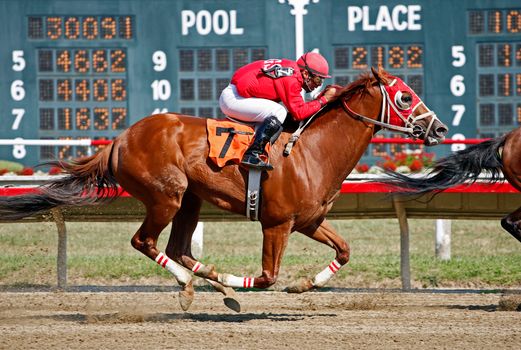
Events like the Super Bowl or the Kentucky Derby can turn betting into a communal, even celebratory, experience. For example, over 50 million Americans were estimated to place wagers on Super Bowl LVII in 2023, according to the American Gaming Association—a 60% increase from just two years prior. These mass-participation events harness both social influence and cultural excitement, amplifying gambling’s appeal.
Cognitive Biases: Why We Make Irrational Bets
Despite understanding the odds, even experienced gamblers are prone to cognitive biases that distort decision-making. Some of the most common biases include:
- Gambler’s Fallacy: The mistaken belief that if something happens more frequently than normal during a given period, it will happen less frequently in the future, or vice versa. For instance, after several consecutive losses at roulette, a player might believe a win is “due,” even though each spin is independent. - Availability Heuristic: Overestimating the probability of winning because big wins are more memorable and highly publicized. Lottery winners are celebrated, while millions of losers are forgotten. - Sunk Cost Fallacy: The tendency to continue betting after losses in the hope of recouping money already spent, leading to “chasing losses” and potentially deeper financial trouble.A study published in the journal Addiction (2016) found that up to 40% of regular gamblers exhibited at least one of these cognitive distortions during play. These biases are hardwired into human thinking, making rational assessment of risk and reward challenging in gambling contexts.
The Emotional Rollercoaster: Escapism, Stress, and Mood
For many people, gambling is not just about money—it’s an emotional experience. The highs of a big win and the lows of a crushing loss can be exhilarating or devastating. Some individuals turn to gambling as a form of escapism, seeking relief from stress, anxiety, or boredom.
A 2022 survey by the UK’s GambleAware charity revealed that 54% of problem gamblers reported gambling to “escape problems or relieve a negative mood.” The rapid pace and immersive environment of casino games or online slots can provide a temporary distraction from real-world concerns.
However, this emotional rollercoaster can also lead to unhealthy patterns. When gambling becomes a coping mechanism, the risk of addiction increases. Problem gambling affects an estimated 1-3% of adults in Western countries, according to the World Health Organization, with consequences that can include financial ruin, relationship breakdowns, and mental health challenges.
Conclusion: Understanding Our Urge to Bet
Gambling is far more than a simple wager—it’s a complex interplay of biological, psychological, and social forces. Our brains are wired to seek pleasure from uncertainty, our minds are prone to illusions and biases, and our environments shape how we view and participate in betting. While most people gamble for entertainment and can do so responsibly, understanding the psychological drivers behind gambling is crucial for recognizing when play may become problematic.
As gambling continues to evolve, especially with the rise of online platforms and new forms of betting, a deeper awareness of these psychological factors is essential for individuals, families, and society at large. By appreciating why we bet, we can make more informed choices and support those who may be at risk of harm.